
The world of online slots is a multi-billion-dollar industry, a dazzling digital landscape where fortunes are won and lost with the spin of a reel. But behind the flashing lights and enticing sounds lies a complex interplay of technology, psychology, and sheer design expertise. The only constant in this vibrant realm is change. As the online gambling industry continues to explode, the pressure to innovate and captivate players is stronger than ever.
From the clunky, pixelated predecessors of the past to the immersive, high-definition experiences of today, online slot design has undergone a dramatic evolution. Classic fruit machines have given way to elaborate narratives, bonus features, and stunning visual effects. The simple pull of a lever has been replaced by a sophisticated engagement with ever more demanding audiences.
This evolution isn’t accidental. It’s the product of countless hours of research, development, and a deep understanding of what makes players tick. My unique perspective, honed through years of experience in game design and analysis, offers valuable insights into the forces shaping the future of online slots. Delve into the fascinating world of slot design, understand the principles that drive engagement, and anticipate the trends that will define the games of tomorrow. This is how the design of online slots keeps players glued to the screen.
A Brief History: From Mechanical Reels to Digital Displays
The story of slot machines is a fascinating journey from gears and levers to sophisticated computer programs and dazzling displays. It began in the late 19th century with Charles Fey, often hailed as the “father of slot machines.” His invention, the Liberty Bell, introduced the concept of automatic payouts, using three spinning reels and a simple mechanism. This design, with its iconic symbols, proved incredibly popular and laid the foundation for future innovations.
The early 20th century saw gradual refinements to Fey’s original design. However, the biggest leap forward came with the introduction of electromechanical slots. Bally Manufacturing emerged as a key player, integrating electrical components to automate the spinning and payout processes fully. This transition allowed for more complex game designs and higher payout possibilities.
The arrival of video slots marked another significant turning point. These machines replaced the physical reels with digital displays, introducing an entirely new level of flexibility and creativity. Video slots opened the door to incorporate bonus rounds, various paylines, and advanced graphics that enhance the player experience. While the technology has evolved dramatically, the core principle remains: match symbols to win.
The Rise of Online Slots: A New Frontier
The advent of the internet irrevocably altered the gambling landscape, ushering in an era of online casinos and, with them, the proliferation of online slot games. This digital transformation wasn’t merely a convenience; it was a fundamental shift driven by technological possibility and regulatory pressures. The internet effectively circumvented geographical limitations, allowing virtual casinos to offer their services to a global audience. This accessibility, however, also brought increased scrutiny from regulatory bodies, shaping how internet gambling operated and continues to evolve.
Unlike their brick-and-mortar counterparts, online casinos could offer a vastly greater variety of games. Early online slot games sought to replicate the experience of physical machines, but quickly evolved to leverage the unique capabilities of the digital format. My deep understanding of both the technological and historical contexts allows me to provide greater clarity on this pivotal period.
Key Design Elements That Define Today’s Online Slots
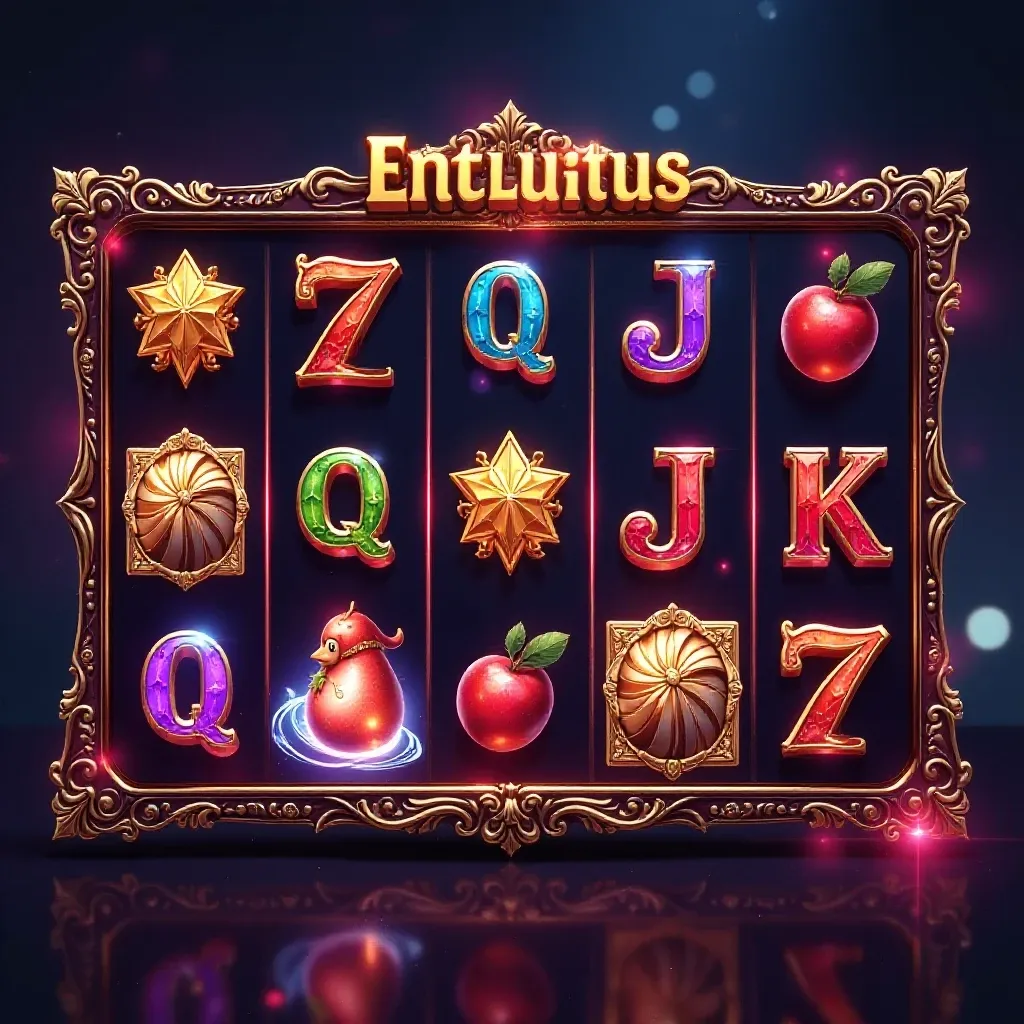
Modern online slots are a far cry from the one-armed bandits of yesteryear. They are sophisticated, engaging, and visually stunning entertainment experiences. Several key design elements contribute to their success, captivating players with immersive gameplay and the potential for big wins.
Game Themes: A World of Choice
The theme is the soul of any slot game. A successful theme draws players in, creating an immediate connection and setting the stage for an enjoyable experience. The possibilities are virtually limitless, ranging from the historical allure of Ancient Egypt, with its pyramids and pharaohs, to the epic sagas of mythology, featuring gods and mythical creatures. Pop culture provides another rich source of inspiration, with slots based on blockbuster movies, hit TV shows, and iconic musicians. The key is to choose themes that resonate with players, triggering their imagination and offering a sense of familiarity or excitement.
Paylines: Ways to Win
Paylines determine how winning combinations are formed. Classic slots often feature fixed paylines, where players must bet on all lines to maximize their chances. Modern variations offer adjustable paylines, allowing players to customize their bets. Innovative mechanics like Cluster Pays, which award wins for groups of symbols clustered together, and Megaways, which offer thousands of ways to win on each spin, add further layers of excitement and unpredictability. The number and type of paylines significantly impact the gameplay and overall winning potential.
Volatility and RTP: Balancing Risk and Reward
Volatility refers to the risk associated with a slot game. High volatility slots offer the potential for large payouts, but wins may be less frequent. Low volatility slots provide more consistent wins, but the payouts are generally smaller. RTP (Return to Player) is the percentage of wagered money that a slot is expected to pay back to players over time. Different RTP levels cater to different player preferences. High RTP slots attract players seeking better long-term odds, while others may be drawn to the thrill of high volatility games, regardless of RTP.
Sound Design: Immersing the Senses
Sound is more than just background noise; it’s a crucial element in creating an immersive and engaging slot experience. From the whirring of the reels to the celebratory jingles that accompany a win, sound effects enhance the gameplay and heighten the sense of excitement. A well-designed soundtrack complements the theme, creating a cohesive and captivating atmosphere.
Bonus Rounds and Free Spins: Adding Excitement and Depth
Bonus rounds and free spins are essential for adding depth and excitement to slot games. These features offer players the chance to win extra prizes, trigger special features, and extend their gameplay. Creative bonus rounds, integrated seamlessly with the game’s theme, provide unique challenges and rewarding opportunities. Free spins offer the thrill of spinning the reels without wagering additional credits, increasing the chances of hitting a big win.
The Technological Triumvirate: RNGs, Graphics, and Sound
Slot machines, in their modern form, are a technological marvel built upon three core pillars: random number generators (RNGs), stunning graphics, and immersive sound design. These elements, working in harmony, create the captivating experience that defines the world of slots.
Random number generators (RNGs) are the unseen force ensuring fair play. By producing truly random outcomes, RNGs eliminated any possibility of manipulation, establishing trust between players and casinos. This innovation revolutionized the industry, paving the way for the digital slot era.
Visually, slot graphics have evolved from simple spinning reels to elaborate animations and visual effects. Compelling visuals engage players, drawing them into the game’s narrative and heightening the excitement of each spin. High – definition displays and creative themes provide a feast for the eyes.
Sound design is equally crucial. The jingle of coins, the triumphant fanfare of a win, and the subtle background music all contribute to the overall atmosphere. Certain sounds are intentionally designed to trigger excitement and anticipation, keeping players engaged for longer periods.
However, as someone familiar with the digital landscape, I’ve noticed a growing reliance on sensory overload. Some games prioritize flashy graphics and loud noises over genuine gameplay, potentially leading to a less satisfying experience in the long run. Striking a balance between technological advancement and player enjoyment is key to the future of slot design. Without these core elements working together, the experience would be shallow and unengaging.
The Mobile Revolution: Design for Any Device
Mobile is no longer a secondary consideration; it’s the primary battleground. The vast majority of online gambling now happens on smartphones and tablets. This mobile-first reality demands a radical shift in how slot games are designed and developed. Creating a seamless experience across iOS and Android is vital.
Optimizing games for smaller screens presents unique challenges. Touch controls must be intuitive and responsive. Developers need to account for the varying device specifications. Clean, uncluttered interfaces are crucial. Good mobile optimization translates to fast loading times, smooth gameplay, and easy navigation. Poor optimization results in frustrating user experiences, leading players to abandon the game.
My expertise ensures mobile slot games leverage the power of HTML5 and responsive design principles, delivering exceptional performance on any device.
Player Psychology: Understanding What Keeps Them Spinning
The allure of slot machines goes far beyond bright lights and catchy sounds; it’s deeply rooted in player psychology. Slot machine designers are masters of understanding what makes people tick, leveraging principles like reward systems, loss aversion, and engagement loops to keep players invested.
Variable rewards are a cornerstone of this strategy. Unlike consistent rewards, variable rewards are unpredictable, delivering a dopamine rush with each win, no matter how small. This uncertainty is highly addictive, as players keep spinning, hoping for the next big payout. The hook of gambling is tightly connected with another trick of our minds: loss aversion. Losses typically have a more significant emotional impact than equivalent gains, prompting players to chase losses in an attempt to break even, often digging themselves deeper into the hole.
Slot designers implement several tricks to keep players engaged. For instance, near misses create the illusion of almost winning, encouraging players to keep trying. Meanwhile, the speed and simplicity of slot games provide an escape from reality, allowing players to lose themselves in the moment. As someone who has spent countless hours observing casino behavior, I’ve seen firsthand how these psychological tactics can take hold, turning casual players into addicts. This raises many ethical issues for game developers, who have the burden to create engaging experiences while minimizing the harm to vulnerable individuals.
Emerging Trends: VR, AI, and the Future of Slot Design
The world of online slots is on the cusp of a technological transformation, fueled by innovations like virtual reality (VR) and artificial intelligence (AI). VR slots promise a deeply immersive experience, transporting players to fantastical worlds where the spinning reels become part of a larger, interactive environment. The question remains, however, whether VR will evolve beyond a novelty, offering genuinely engaging gameplay that captivates players long-term.
AI is set to revolutionize the way slots are designed and delivered. Imagine games that dynamically adjust their difficulty and features based on a player’s skill level and preferences. AI could also power sophisticated algorithms that detect and prevent problem gambling, adding a layer of responsible gaming that benefits both players and operators. Speaking from experience, I’ve seen how AI could assist casinos or game masters in many ethical problems, and even to anticipate player behaviors.
However, the rise of AI in gambling also brings potential ethical concerns. Ensuring fairness, transparency, and preventing manipulation will be critical as AI becomes more deeply integrated into slot design. The future of slots hinges on embracing these technologies responsibly, creating engaging experiences while safeguarding players.
What Makes a Successful Slot Game (And What Doesn’t)
The realm of slot games is a vibrant, competitive arena where fortunes are made and lost with each spin. But what truly distinguishes a successful slot game from one that fades into obscurity? It’s a complex equation, far beyond just luck, encompassing a potent blend of financial performance, player engagement, and innovative design.
Ultimately, the success of a slot boils down to its profitability. However, fixating solely on revenue can be shortsighted. Engagement metrics paint a more complete picture. Factors like session length, return visits, and the overall player satisfaction are important. A game that keeps players entertained and coming back for more is far more likely to generate sustained revenue over time.
Innovative design plays a pivotal role in captivating players. Unique themes, stunning visuals, and engaging soundscapes can all contribute to a more immersive experience. Bonus features and interactive elements can provide an extra layer of excitement and keep players on the edge of their seats. However, innovation for the sake of innovation can backfire. Complexity should be balanced with simplicity to avoid confusing or overwhelming players. A well-designed game is intuitive and easy to understand, while still offering enough depth to keep players engaged.
There are several pitfalls that can doom a slot game. Poorly designed interfaces, confusing paytables, and uninspired themes can all turn players off. Another common mistake is to create games that are too similar to existing titles. To stand out in a crowded market, a slot game needs to offer something unique and compelling. Over-reliance on tired tropes or low-quality graphics can signal a lack of attention to detail, driving players away. Avoiding these traps and prioritizing quality design, engaging features, and a player-centric approach are crucial steps towards creating a successful and profitable slot game.
Conclusion
The journey of online slot design has been nothing short of a digital revolution. From simple fruit symbols to immersive narratives and cutting-edge technology, the evolution reflects the ever-changing tastes and expectations of players. Understanding the core mechanics, psychological triggers, and the art of visual storytelling is paramount for anyone looking to make their mark in the gaming industry.
The insights discussed here are more than just theoretical concepts; they are practical tools for crafting compelling and engaging slot games. Knowing how color palettes affect player behavior, or how a well-placed sound effect can heighten anticipation, are the details that separate a successful slot from one quickly forgotten.
Imagine you’re at a gaming convention, years from now. A developer approaches, eager to learn the secrets behind your hit slot game. You smile, knowing that the principles you’ve mastered – the balance of risk and reward, the power of thematic resonance, and the innovative spirit to embrace future trends – have all contributed to your success. The future of online slots is bright, and those who understand its language will be the ones shaping its course.